
Explore how virtual reality could transform online casinos, from immersive 3D tables and social avatars to new security and regulation challenges, plus tips for players and operators.
Virtual reality (VR) used to be a science-fiction dream. Today, headsets are cheaper, graphics are sharper, and internet speeds are faster. These changes open a fresh door for online gambling. Before exploring what happens next, it helps to remember that safety still matters. Many players already look for a legal casino to ensure they join a safe and legal site licensed by respected authorities. Once trust is earned, the scene is ready for VR to shine. Put on a headset and, instead of staring at a flat screen, the player is placed inside a 360-degree casino hall. They can walk toward a marble roulette wheel, wave to an avatar dealer, and feel chips vibrate thanks to haptic gloves.
The promise sounds exciting, but how soon will this imagined floor become common, and what hurdles stand in the way? This article explores the future of virtual reality in online gambling, the benefits it may unlock, the obstacles it must overcome, and the steps that both casinos and players can take right now to prepare.
What VR Brings to the Online Casino Table
Traditional online casinos attempt to emulate land-based play through live video and chat boxes, but VR takes this one step further by turning every camera angle into an immersive 3D space allowing the player to lean over a blackjack table and read each virtual card’s shine, hear dice bouncing across the room naturally intuitively guiding his eyes, giving an experience more like that of traveling than browsing web pages.
Immersion is only part of the story in virtual reality (VR). Operators can utilize their digital nature to add features unavailable in physical halls; slot machines might sit atop clouds while poker rooms resemble pirate ships; personal avatars allow self-expression and body language through body-language-enhanced chatbots; real-time translations bring people from various nations together as though sharing one cafe. With such upgrades available to many players, passive clicking turns into active entertainment that lasts longer and encourages repeat visits; loyalty points tied into quests like finding hidden tokens can add an interactive layer that flat screens cannot match.
Challenges and Regulation on the Horizon
Though VR casinos seem promising, numerous roadblocks must first be overcome before widespread acceptance takes hold. A key one is hardware costs; an average headset can still cost as much as an entry-level laptop, and many households lack computers capable of running advanced graphics; until these costs decrease further, potential audiences remain small.
Comfort should always come first when selecting an online casino experience, since some users experience motion sickness when their eyes move across a digital world while their body stays still. Developers have made progress toward smoother frame rates and optional teleport movement options; yet, the issue persists despite these measures. To remain responsible, casinos should add breaks as well as clear health warnings to stay ahead of this issue.
Regulation presents another barrier. Licensing bodies have so far focused on random number generators and payment methods; soon, however, they could test hand-tracking rigs, voice chat, and age verification tools as players hide behind avatars; governments will expect operators to install extra ID checks and anti-money-laundering tools, with early adopters likely building trust while latecomers risk fines or shutdown. Cybersecurity must also be paramount, giventhat headsets collect eye and hand movement data, which could reveal personal patterns if leaked; strong encryption must be implemented from day 1.
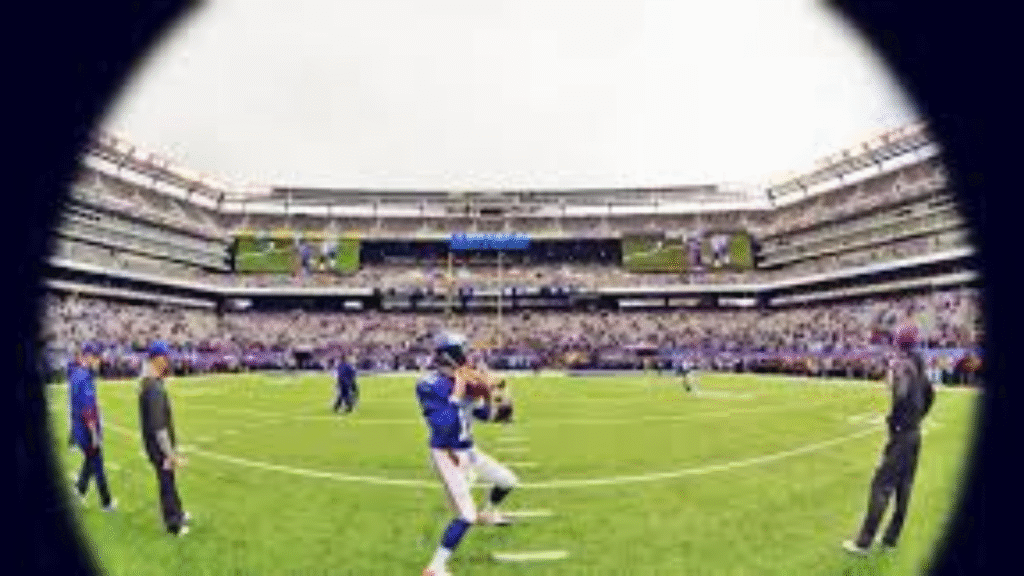
In the reveal for the Steam Frame VR headset, they said it can play any game, VR or not, in the headset running Steam OS. That means you can play NFL 2K5 first person football IN FIRST PERSON lmao pic.twitter.com/RcyGYQHhFf
— SOFTDRINKTV (@softdrinktv) November 12, 2025
How Players and Operators Can Prepare Today
Even before virtual reality gambling becomes mainstream, both sides can take steps toward success. Early adopters should test free VR apps like roller-coaster demos. This helps familiarize them with how controllers function while helping avoid nausea. They may also practice bankroll management by playing low-stakes social casinos beforehand so real money gambling becomes second nature later.
Operators, on the other hand, should begin with hybrid products. A 2D site could offer optional VR lounges for blackjack or slots. It should let the market decide when and how it wants change to come about. Feedback from these beta rooms will inform design decisions far better than guessing in a boardroom. Customer support staff must accompany download links so newcomers feel secure when downloading software.
Both groups should keep abreast of industry standards. Open-source protocols like WebXR may reduce barriers and keep experiences consistent across devices. When headsets become affordable, and rules become clearer, those who had early practice will transition smoothly into online gambling – joining developer forums, watching prototype games live-streamed onlin,e or attending virtual conferences to share tips or spot emerging trends before hitting storefronts.

