
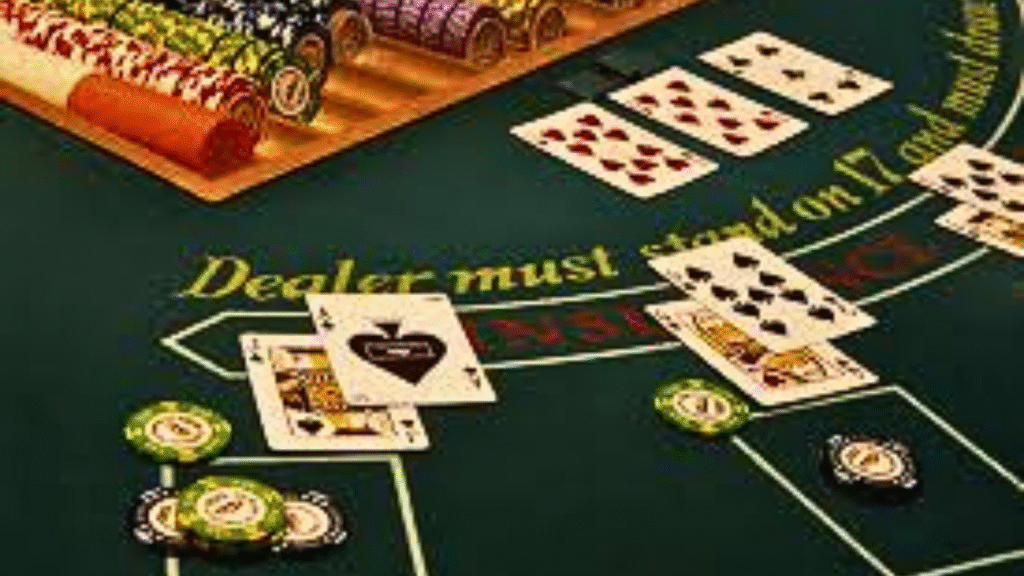
Learn why casino rules matter, how to read table layouts, and the basics of blackjack, roulette, and craps. Gain confidence, protect your budget, and enjoy every visit.
A Guide to Understanding Casino Game Rules
Stepping onto a casino floor can feel like entering a different world. Bright lights flash, chips clack, and every table seems to speak its own secret language. For anyone who wants to join the fun rather than just watch, decoding that language is the first step. Helpful resources such as www.betiton.ie show that clear rules build confidence, even before a single chip is placed. Understanding rules lowers stress, protects a budget, and turns random bets into informed choices. This guide explains how casino games are structured, why certain actions win, and others lose. In simple terms, it promises to turn mystery into method. From blackjack to roulette, knowing what is allowed, what is not, and when choices must be made changes the entire experience. Read on to discover how anyone can master the basics before the next spin or deal today.
Why Casino Rules Matter
Every casino game, be it played on felt or a digital screen, follows a specific set of instructions. These rules go far beyond simply detailing how cards and dice should be dealt and thrown; they create the perfect mix between chance and skill that keeps players coming back for more. As soon as a beginner ignores the fine details, simple mistakes such as splitting 10s in blackjack or placing an inside bet without enough chips in roulette can quickly lead to losses or awkward pauses in play.
By reading and learning rules ahead of time, a player gains two distinct benefits. First, rules make the house edge clear, helping budgets stretch further. Next, confidence increases among players; confident decision makers make better choices under pressure than their less informed peers. Dealers appreciate informed guests because games run more smoothly and everyone enjoys themselves more – in short, rules protect wallets while simultaneously creating an atmosphere of respect among gamblers, tables, and casinos; ultimately leading to wins!
Reading the Table Layout
A casino table’s layout resembles an intricate roadmap with signs, numbers, and colored zones; learning its language saves both time and money. Begin by learning where wagers are placed – in blackjack, for example, just beyond the player box is where bettors place chips before flipping over a new card is put into action. Roulette table layout features inside numbers at its center with outside bets along the border, marking choices with differing odds. Craps tables offer clear areas for Pass Line, Come, and Proposition bets on an otherwise busy table – while also including minimum/maximum markers on plaques printed for easy reference.
Notice stake height or low stake levels and look out for dealer cues, such as when a puck is set “ON” or “OFF”, such as in craps, or when betting closes with a shoe tapping in blackjack – they provide useful clues as to when bettors should close betting and follow the rhythm of play. Identifying these signals helps everyone follow along smoothly!
THERE'S A 1 IN 10 BILLION CHANCE OF THIS HAPPENING 🤯
One of the most absurd hands of blackjack you might ever see in your life.
Five perfect splits of blackjack, followed by the dealer pulling 9-6-6. pic.twitter.com/VnNdDkQruw
— DraftKings Casino (@DKCasino) January 10, 2026
Common Rule Sets Explained
Every casino game possesses its own set of rules, yet several themes often recur across them all. Consider blackjack: its objective is simple: score as close to 21 as possible without going over, with players drawing cards alternately until reaching 21 without going beyond it or going bust (in most versions, dealers must hit on 16 values or less but stand on 17 or higher values). Pairs may be split, with only an extra card received for splitting an ace pair.
Roulette wheels feature either one zero or both zeroes; European wheels with just one zero reduce house edge while American ones featuring two raise it. Bets range from single number bets that pay 35-1 to red/black bets that pay even money, Craps is often seen as one of the more difficult games, yet its fundamental structure remains relatively easy: after rolling to set the Point on their opening roll, shooters attempt to roll it again before landing seven before rolling again to set another Point and continue shooting towards landing another seven before any seven is rolled – mastery of these basics makes further variations much simpler later.
Putting Knowledge Into Play
Knowledge of the rules only becomes valuable if translated into action. Before sitting down at any table, smart players often observe several rounds to establish local house variations. Variations such as whether blackjack pays 3:2 or 6:5. Or if roulette wheels use La Partage rules when their ball lands on zero. Observing helps reveal table etiquette, such as when to handle chips yourself versus leaving that task to the dealer.
Once playing begins, setting a budget keeps emotions from overruling logic. Many experts advise breaking up an individual session bankroll into segments matching minimum bet sizes for maximum gameplay. If wins come early, bank a portion of them for immediate satisfaction. On the other hand, should losses reach beyond an agreed-upon limit, take steps back immediately to preserve future fun. Finally, remember that rules exist solely as means for fair games rather than as guarantees for profits. Experience, chatty conversations, and small victories all help shape each visit into something positive and memorable!

