
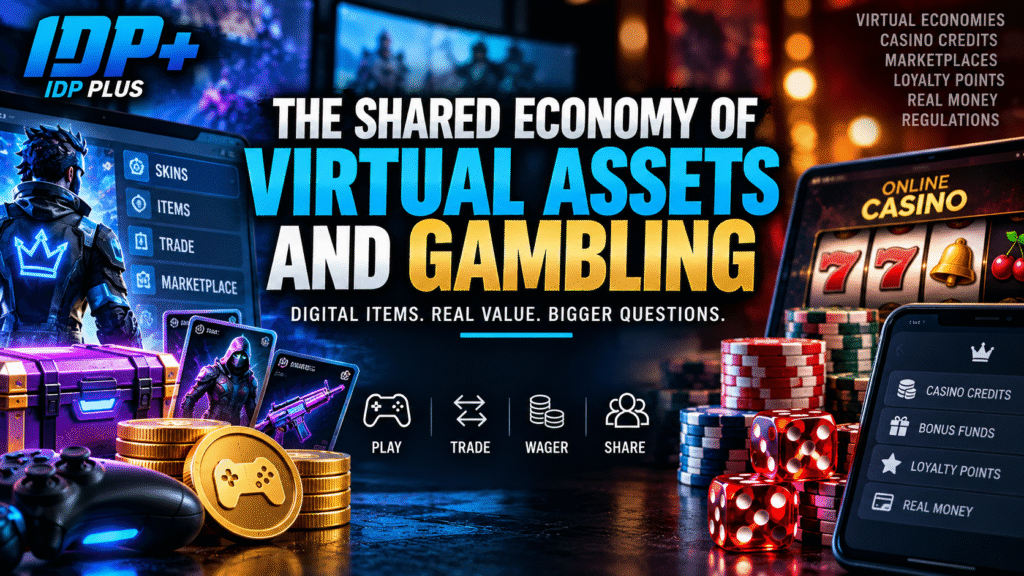
Virtual swords, casino credits, avatar skins, and loyalty points now behave like small private currencies. Players trade them, rent them, wager them, and sometimes lose track of what they have spent. The Shared Economy of Virtual Assets and Gambling sits in that messy space, where fun items gain cash-like pressure.
A teenager may sell a rare skin for lunch money. An adult may treat bonus credits like spare change. Fine lines blur fast. A comparison page for an online casino guide, najboljsaspletnaigralnica.sii, built for Slovenia shows how local rules, payment habits, and player reviews shape trust before real money enters the room. The bigger story is shared ownership without shared risk. Platforms hold the keys, users carry the hopes, and prices move because strangers agree a digital thing feels scarce.
Skins, chips, and the price of pretend
Scarcity does the heavy lifting. A game studio releases 2,000 dragon jackets, then stops minting them. A gambling site offers tournament tickets that expire Sunday night. Both moves create a clock, and clocks make people act.
The shared part feels friendly at first. One player lends an item to a guildmate. Another sells credits through a marketplace. A streamer gives away a wheel spin during a live chat. Each trade adds a tiny public price signal.
Then the platform changes a rule.
A skin once worth 80 dollars drops to 12 after a new crate appears. A bonus balance vanishes because the terms required forty wagers before withdrawal. Nobody stole anything in the old-fashioned sense, yet the user still feels hit. This is the core tension: virtual assets look owned, but most sit inside accounts that can be frozen, reset, or redesigned overnight.
Where sharing turns into wagering
Small trades become bets once chance enters the deal. A loot box, mystery card pack, roulette bonus, or coin flip skin wager asks the same question: will the next click pay more than it costs?
The answer is rarely neutral. Interfaces show fireworks on wins and quiet screens on losses. Social feeds display jackpot clips, not the 47 failed opens before them. In Discord channels, a user may borrow a weapon skin, stake it on a match, then owe the lender after one bad round. Awkward stuff.
Shared pools add another layer. Some groups buy digital racehorses, poker staking shares, or esports fantasy entries together. They split wins by spreadsheet. They also argue by screenshot when fees, late entries, or tax forms appear. The asset may be virtual, but the dispute sounds very real: who approved the risk, who read the rules, and who gets paid first?
The house still controls the door
Ownership talk gets slippery because most assets live inside closed systems. A casino wallet, Steam inventory, Roblox account, or mobile game vault depends on a login, a policy page, and servers the user never touches.
One password reset can lock a balance for days. One fraud flag can stop withdrawals until identity checks finish. In gambling, that friction protects against laundering and underage play. In games, it protects chargebacks and stolen accounts. The same tool feels fair to one person and brutal to another.
Terms of service matter more than the marketing banner. If a token cannot leave the site, it is closer to store credit than property. If a skin can move to an open marketplace, it starts to resemble a collectible with a live resale price. Regulators notice that gap. So do payment firms. A 25 euro deposit looks simple, but chargebacks, age checks, and geo-blocking turn it into a serious compliance file.
What players measure before spending
Smart players use boring checks. They read withdrawal limits, expiry dates, and marketplace fees before chasing a shiny item. A ten percent seller fee changes the math on a 60 dollar skin. A 35x wagering rule can turn a 20 euro bonus into hours of forced play.
Receipts help. So do screenshots.
The shared economy rewards memory, yet platforms count on speed. Flash sales close in 15 minutes. Limited drops sell out while someone is still reading the small print. Gambling rooms add live odds and pop-up offers, which push the same nervous button. The safer habit is slow and plain: set a budget, name the item or game, then stop when that number is gone.
Parents and partners face a different job. They need to ask what the asset does. Is it cosmetic? Can it be sold? Can it be staked on chance? Those three answers tell more than any bright thumbnail.
A cleaner deal for users
Platforms that want trust should show asset status in plain labels. Owned. Licensed. Withdrawable. Locked. Those four words would prevent a lot of angry support tickets.
Fees need the same treatment. Put the seller fee, withdrawal minimum, bonus expiry, and identity check trigger beside the buy button, not four clicks away. If an item can lose resale access after a policy change, say so before payment.
Design choices count too. Fewer flashing loss-recovery offers would make gambling products feel less predatory. Game markets could add cooling-off timers for high-price trades, especially for accounts under 18. None of this kills fun. It gives the shared economy a firmer floor. The next sensible move is small: before buying or staking any virtual asset, write down its cash-out path in one sentence first today.

